**-Sandeep Dhanju–
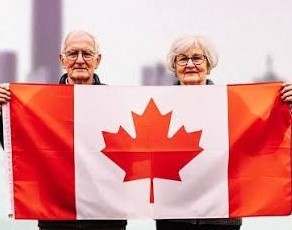
The federal government has announced an indefinite pause on accepting new applications under Canada’s Parents and Grandparents Program (PGP), a decision that will significantly affect thousands of Canadian citizens and permanent residents hoping to reunite with their loved ones.
According to a government news release issued on July 15, 2026, Immigration, Refugees and Citizenship Canada (IRCC) will not accept new Interest to Sponsor forms or issue new invitations until further notice. The department says it will continue processing applications already received, with a target of approving 15,000 permanent residence applications in 2026.
The announcement effectively closes the door, at least for now, on new sponsorship opportunities for parents and grandparents unless the federal government changes its policy in the future.
The Parents and Grandparents Program has long been one of Canada’s primary family reunification pathways. However, overwhelming demand has consistently exceeded the number of available spaces. During the program’s most recent intake in 2020, IRCC received more than 203,000 expressions of interest within just three weeks. Since then, rather than opening new intakes, the government has relied on a lottery system, randomly selecting sponsors from the 2020 pool between 2020 and 2025.
As a result, Canadians who did not submit an Interest to Sponsor form in 2020 have had no opportunity to enter the selection process for the past six years. The latest announcement means they will continue to remain excluded indefinitely.
The government has justified the pause as part of its effort to responsibly manage application inventories and processing times. According to IRCC, there are currently 50,900 PGP applications awaiting processing. While existing applications will continue to move forward, applicants should still expect lengthy wait times. Current estimates indicate that applications submitted in July 2025 will require approximately 18 months for processing outside Quebec and up to 54 months for applicants intending to settle in Quebec.
Canada’s latest Immigration Levels Plan also signals limited expansion of the program in the coming years. For many families, the decision is disappointing. Family reunification has long been regarded as one of the pillars of Canada’s immigration system. Many newcomers depend on the emotional, cultural, and practical support that parents and grandparents provide, particularly in helping care for children and strengthening family bonds.
In place of the PGP, the federal government continues to encourage families to consider the Super Visa program. The Super Visa allows eligible parents and grandparents to visit Canada for up to five years per stay, with visas that may remain valid for up to 10 years. While it offers extended temporary residence, it does not provide permanent resident status or the long-term security that many families seek.
The indefinite suspension of new PGP applications raises important questions about the future of family reunification in Canada. Unless a new intake is announced or the program is restructured, thousands of Canadian citizens and permanent residents will remain without a pathway to sponsor their parents or grandparents for permanent residence.
For many families, the hope of permanent reunification now depends on whether the federal government chooses to reopen the program in the years ahead.