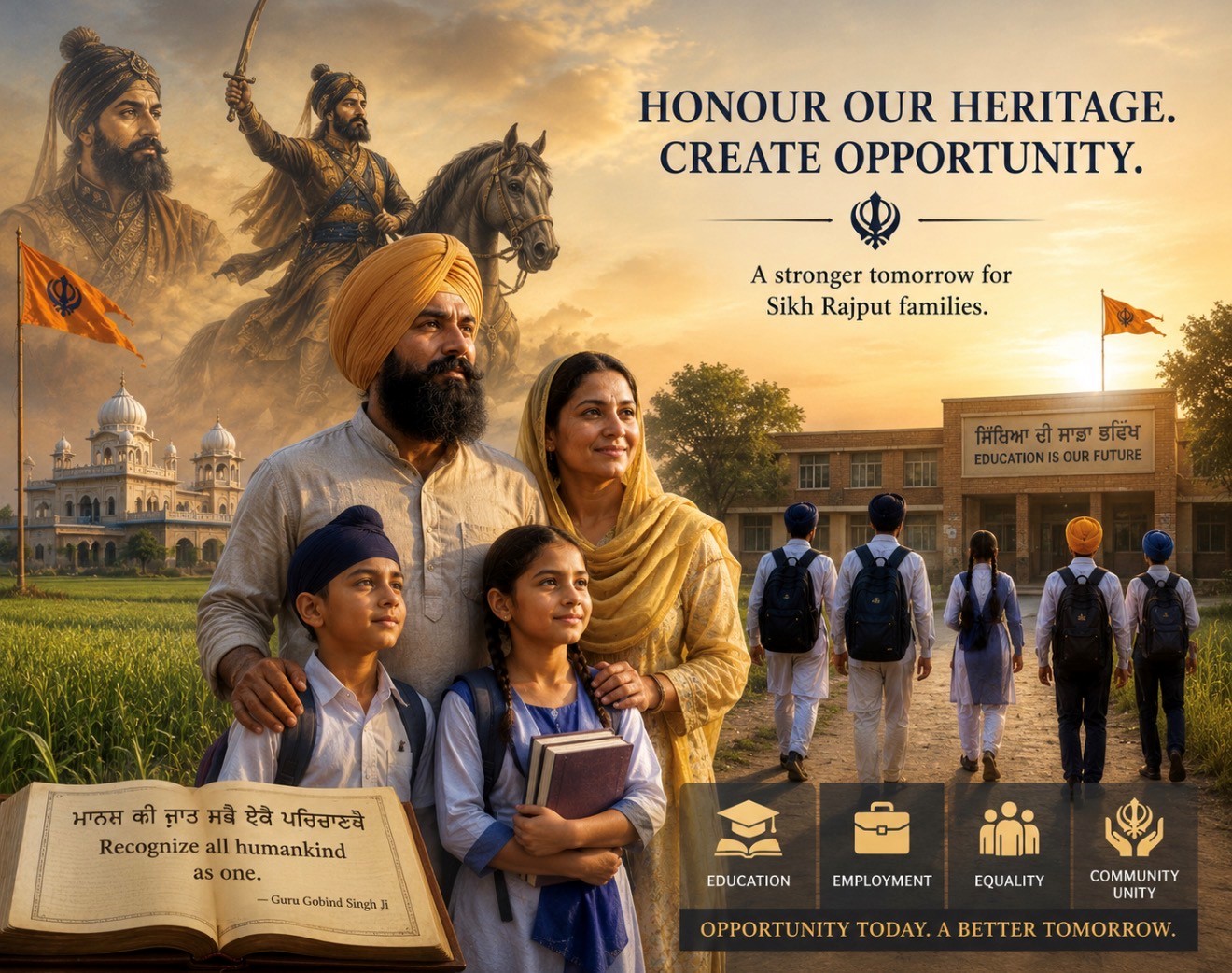
Screenshot
A Sikh Rajput’s Reflection on the Backward Class Debate in Punjab
By Gurnam Singh Dodd—
The views expressed in this article are solely those of the author and are offered in the spirit of respectful public discussion.
Every community eventually faces a defining choice: whether to preserve the prestige of its past or prioritize opportunities for future generations.
The inclusion of Sikh Rajputs in Punjab’s Backward Classes (BC)—commonly referred to as the Other Backward Classes (OBC) category—has sparked strong opinions. Some see it as a pathway for disadvantaged families, while others believe it affects the community’s historical identity and dignity.
As a Sikh Rajput who has lived in Canada for over fifty years, I offer these reflections to encourage thoughtful discussion on an issue that directly affects many families.
In 2016, the Shiromani Akali Dal–Bharatiya Janata Party government, led by Chief Minister Parkash Singh Badal, included Sikh Rajputs in Punjab’s Backward Classes list. The notification was issued on October 14, 2016, and approved by the Punjab Cabinet on December 5, 2016.
The decision is now under legal review. A petition seeking the exclusion of Sikh Rajputs from the list is before the Punjab and Haryana High Court, which has directed the state government and the Punjab State Backward Classes Commission to examine the matter. While the issue remains under consideration, this article focuses on its broader social implications.
The key question is who stands to benefit from this policy.
The primary beneficiaries are likely to be young people in Punjab, particularly those in rural areas where many Sikh Rajput families still face economic and educational challenges. For them, reservation offers access to higher education, professional training, and public employment—opportunities that can transform lives.
In contrast, many Sikh Rajput families abroad have already established themselves, and their children typically pursue education and careers outside India. While they have every right to express their views, the perspectives of families directly affected by the policy deserve particular attention.
Some believe that inclusion in the BC/OBC category diminishes the community’s honour. I respectfully disagree. Our history, sacrifices, and contributions cannot be reduced by an administrative classification.
As Sikhs, we are guided by Guru Gobind Singh Ji’s teaching:
“Manas ki Jaat Sabhe Ek Hi Pehchanbo.”
“Recognize all humankind as one.”
Our Gurus rejected distinctions based on birth or caste. While reservation is a constitutional measure to address disadvantage, our dignity rests on equality, compassion, and service—not labels.
Reasonable people may differ on this issue, and it should be resolved through constitutional processes. However, if this policy helps deserving Sikh Rajput students access education and meaningful employment, concerns about prestige should not outweigh those benefits.
My concern is for families in rural Punjab whose children stand to gain from these opportunities. Their voices matter most in this debate.
Communities are remembered not for preserving labels, but for supporting their people. If even one student advances because of these opportunities, our community’s honour is not diminished—it is strengthened.
History deserves respect. Our people deserve support.
Whatever the legal outcome, I hope this discussion continues with dignity, mutual respect, and a shared commitment to expanding opportunities for future generations of Sikh Rajputs.
Gurnam Singh Dodd
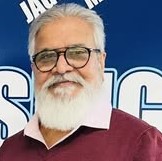
Gurnam Singh Dodd